Waking up to foul sewage odors, gurgling household drain lines, or raw wastewater backing up through basement shower drains represents an urgent domestic emergency that demands immediate, deliberate action. Private subterranean waste systems operate out of sight beneath residential lawns, quietly receiving, separating, and treating household wastewater every single day. When a severe mechanical failure, major drainfield line blockage, or structural tank collapse occurs, domestic plumbing networks stall instantly, creating severe health hazards and threatening property integrity. Panic during a plumbing crisis often leads to improper decisions—such as pouring harsh chemical drain openers into clogged fixtures or running excess tap water—that compound structural damage, accelerate groundwater contamination, and increase final restoration costs.
Navigating a subterranean waste crisis requires a clear understanding of immediate safety protocols, system mechanics, and professional diagnostic procedures. Property owners must take immediate steps to halt household water usage, isolate electrical components, evaluate environmental surface hazards, and contact certified liquid waste specialists. Understanding how to manage household water consumption, recognize early structural failure signals, analyze national usage statistics, avoid hazardous chemical additives, mitigate environmental contamination risks, and partner with experienced regional trade professionals turns an overwhelming emergency into a controlled, manageable restoration process. Exploring these essential emergency response actions reveals how stopping domestic water flow, identifying subtle warning signs, understanding broad usage metrics, avoiding harmful chemical additives, securing contaminated surface areas, and engaging dedicated regional specialists combine to protect household health and restore essential sanitation infrastructure.
Halting Domestic Water Usage and Stopping Wastewater Backups
Halting all household water consumption represents the immediate, critical step when responding to an active subterranean waste emergency. Every gallon of water that flows down kitchen sinks, bathroom showers, laundry lines, or flushed toilets travels directly into the primary holding vault. When the primary holding tank overflows or main outlet pipes freeze, continuing to run indoor water forces raw sewage backward through lower-level household drains, flooding basements, bathrooms, and living spaces with contaminated wastewater.
Property owners should notify all household members to refrain from running taps, operating dishwashers, running laundry machines, or flushing toilets until trade specialists assess the system. Turning off main indoor water shutoff valves prevents accidental water usage while mechanics diagnose main line blockages or tank overflows. Contracting certified local plumbers guarantees rapid emergency response, allowing master technicians to clear main line blockages and prevent catastrophic interior property damage.
Identifying Early Warning Signs and Assessing Failure Severity
Identifying subtle early warning signals helps property owners spot emerging waste crises before complete system breakdowns trigger indoor sewage backups. Subterranean waste systems rarely fail overnight without displaying preliminary warning indicators; instead, subtle mechanical or hydraulic issues manifest across household fixtures long before total failure occurs. Slow-draining sinks, persistent gurgling sounds inside bathroom pipes, foul sewage odors near outdoor tank lids, and unusually lush, bright green grass growing over drainfields indicate underlying trouble.
Furthermore, water pooling above buried holding tanks or saturated soil across absorption fields signals severe hydraulic overload or clogged drainfield pipes. Recognizing these early signs allows homeowners to take immediate protective action before raw sewage enters living spaces. Relying on knowledgeable local plumbers ensures that diagnostic sewer camera inspections pinpoint exact failure points, preventing minor line clogs from escalating into full-scale system collapses.
Analyzing National Usage Metrics and Understanding Infrastructure Reliance
Analyzing national reliance metrics highlights the massive role self-contained wastewater infrastructure plays across communities nationwide. Millions of homes operate independently from centralized municipal sewer networks, relying entirely on private holding vaults and natural soil filtration beds to manage daily household waste. Examining broader national statistics underscores why proactive emergency planning and professional maintenance remain vital for rural and suburban property owners.
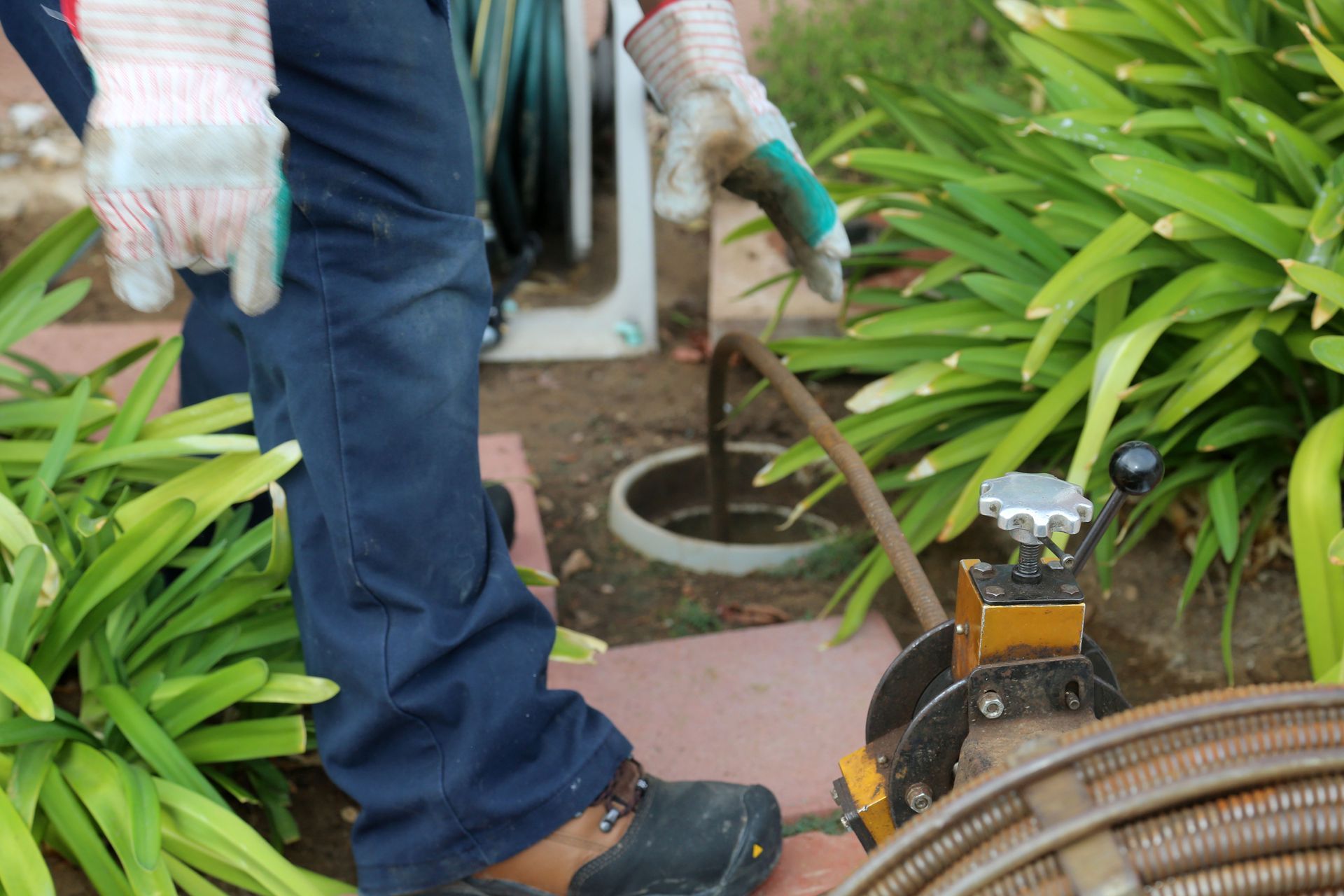
National housing research emphasizes the widespread reliance on private domestic wastewater infrastructure across the country. According to This Old House, septic tanks handle waste management for more than one in four Americans, predominantly in rural areas. Partnering with reputable local plumbers connects property owners with certified technicians equipped with heavy vacuum tankers, camera diagnostic tools, and high-pressure water jetting units to restore essential waste infrastructure quickly.
Avoiding Harmful Chemical Additives and Protecting System Microorganisms
Avoiding aggressive chemical drain cleaners, commercial acids, and biological additives protects the vital living bacterial colonies that power subterranean waste treatment. When faced with slow-draining sinks or backed-up toilets, frustrated homeowners often pour caustic chemical drain openers directly down household fixtures. However, harsh chemical cleaners destroy beneficial anaerobic bacteria within the holding vault, halting natural waste breakdown and causing untreated solids to pass directly into delicate drainfield soil pipes.
Additionally, highly corrosive chemical solutions damage aging PVC plumbing lines, corrode metal pipe joints, and create hazardous chemical vapors for responding repair technicians. Avoiding quick-fix chemical additives preserves biological equilibrium inside the primary holding tank, preventing long-term soil pore clogging across your drainfield. Consulting experienced local plumbers ensures that line blockages are cleared mechanically through professional drain augers or hydro-jetting equipment without threatening beneficial tank bacteria.
Securing Contaminated Surface Areas and Mitigating Health Risks
Securing contaminated lawn areas and isolating indoor wastewater spills protects family members, pets, and neighbors from dangerous biological pathogens. Raw sewage contains dangerous bacteria, viruses, parasites, and chemical contaminants that pose severe health risks upon physical contact or airborne exposure. When holding tanks overflow or main lines rupture, raw sewage can pool across lawns, enter stormwater drains, or saturate basement flooring, creating immediate health hazards.
Homeowners should block off contaminated outdoor lawn areas immediately, keeping children and domestic pets far away from standing wastewater. Indoors, wearing heavy rubber boots, protective gloves, and respirators prevents personal contact while isolating affected rooms. Contracting emergency-ready local plumbers guarantees that sewage spills are contained, standing wastewater is evacuated safely, and affected areas receive thorough professional sanitation to eliminate disease-carrying pathogens.
Navigating a subterranean waste system emergency requires immediate, decisive action, clear safety protocols, and professional trade intervention to protect your home, family health, and property value. Continuing to run indoor household taps, pouring caustic chemical drain cleaners down plumbing fixtures, or ignoring persistent gurgling pipes compounds structural damage, accelerates environmental contamination, and escalates final restoration costs. By shutting off main indoor water supplies, isolating contaminated surface areas, avoiding dangerous chemical additives, and recognizing early warning signals, property owners control initial damage during a crisis. Furthermore, understanding the vast national reliance on self-contained waste systems highlights the critical need for proactive maintenance and emergency preparedness across rural and suburban communities. Working alongside certified, well-reviewed regional trade experts guarantees accurate camera diagnostics, safe wastewater evacuation, professional sanitization, and code-compliant structural repairs that restore total system functionality. Investing in master professional trade care during an emergency safeguards household health, protects long-term property equity, and ensures safe, efficient sanitation for years to come.
At R Plumbing Inc, we are deeply committed to protecting your home's sanitation infrastructure, safeguarding your family's health, and delivering superior emergency plumbing solutions through master trade craftsmanship, advanced diagnostic technology, and dedicated customer care. Our team of certified technicians brings extensive waste management expertise, sewer camera inspection, hydro-jetting line clearing, main line restoration, tank lid replacement, and meticulous attention to detail to every emergency backup call, residential pipe repair, commercial drain clearing, structural inspection, and professional local plumbers, we provide across our community. We take immense pride in evaluating your property's unique plumbing architecture, analyzing emergency failure points, guiding you through hand-selected repair options, and serving as your trusted home safety partner to bring total system reliability, property protection, and enhanced value to your residence. Contact us today to schedule your comprehensive plumbing consultation or receive immediate emergency support from dedicated local trade specialists.